Sony WH-1000XM6 The Best Noise Cancelling Wireless Headphones, Black

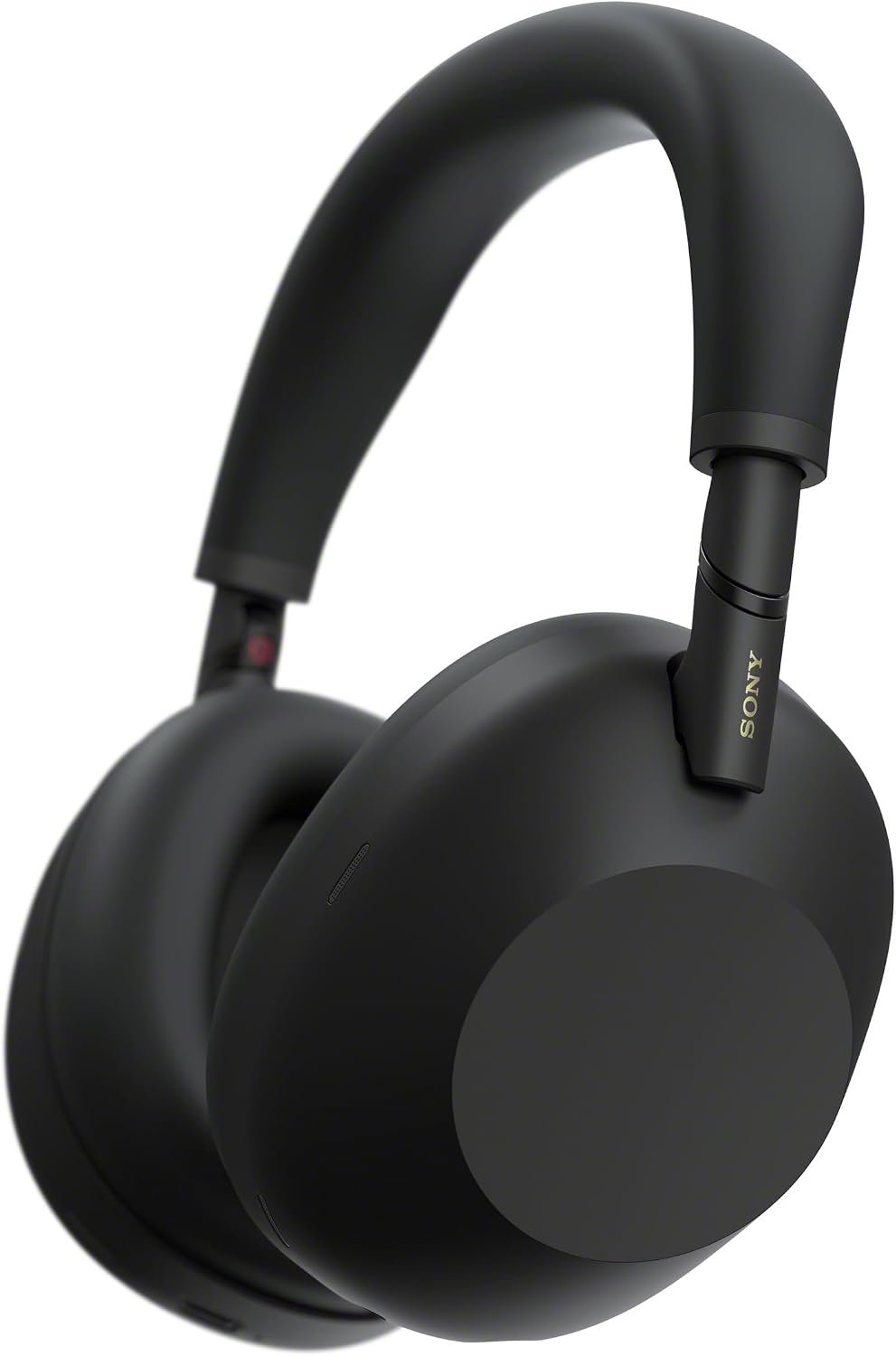








Sony WH-1000XM6 Wireless Noise Cancelling Headphones Review
Sony’s flagship noise cancelling headphones have long been a reference point for travellers, commuters, and listeners who want to shut out the world without giving up audio fidelity. The WH-1000XM6, offered here in black, continues that lineage with a processor built specifically for the task, a microphone array larger than before, and a design that Sony describes as both foldable and comfortable for extended wear. This review walks through what the supplied product information actually says, what those features mean in practice, and who is most likely to benefit from them.
Design and Build
The WH-1000XM6 uses a foldable design, which is worth noting because folding headphones generally pack down more easily than models that only swivel flat. Sony pairs that folding mechanism with precision metalwork and a compact carrying case that closes magnetically. The case is described as crafted for durability and style, so the storage solution is presented as part of the product experience rather than an afterthought.
Comfort is addressed through a wider, asymmetrical headband wrapped in smooth synthetic leather. Sony describes the fit as pressure-free and suitable for all-day wear, and the headband shape is clearly intended to distribute contact differently than a symmetrical band would. A stepless slider allows continuous size adjustment rather than fixed notches, and a seamless swivel helps the earcups settle against the head. These are design claims from the manufacturer rather than independently verified measurements, but they describe a headphone built around long listening sessions.
Features and Technology
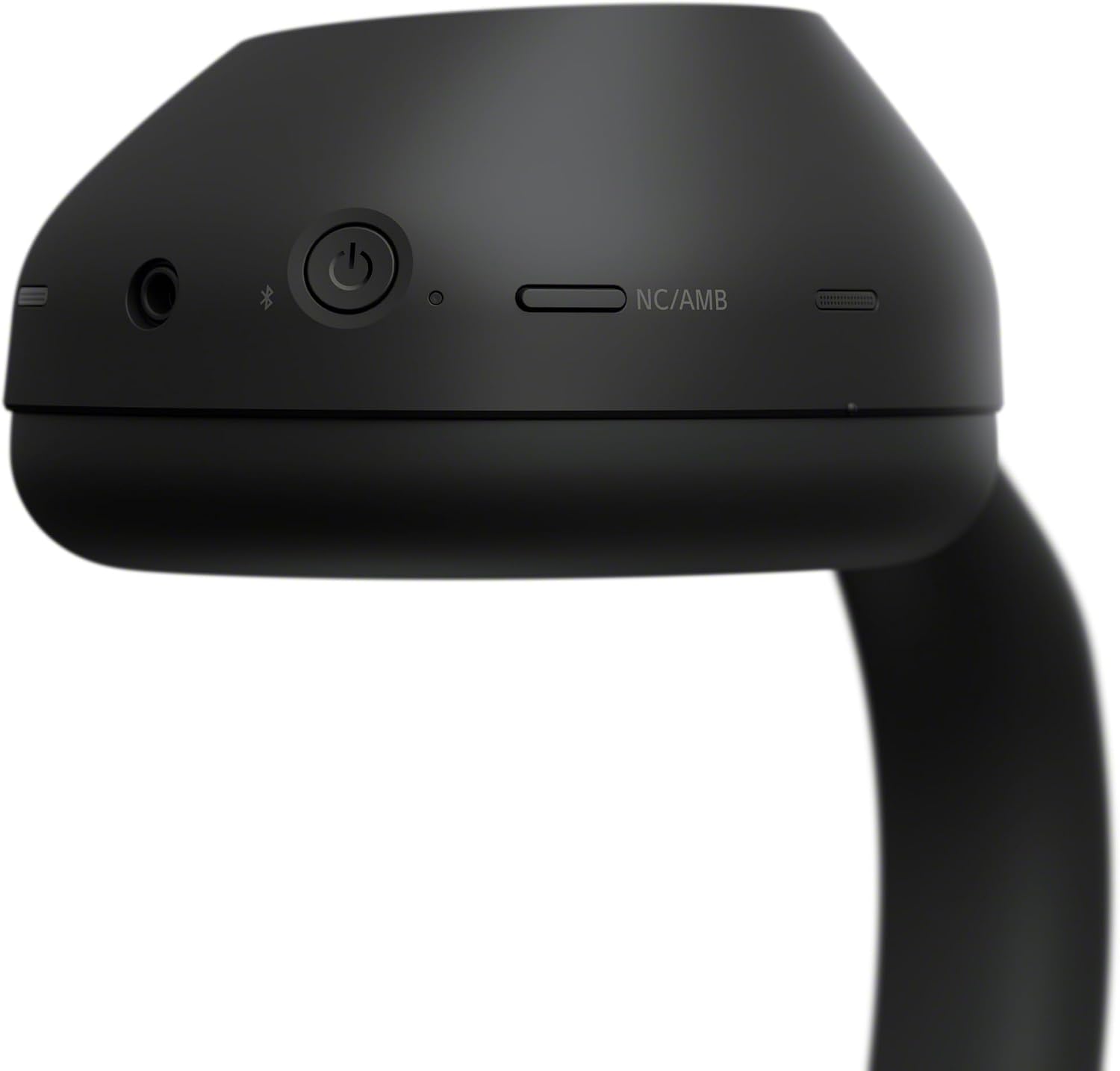
The centrepiece of the WH-1000XM6 is the HD Noise Canceling Processor QN3. Sony states that this chip is seven times faster than the QN1 processor found in the WH-1000XM5, and that it optimises twelve microphones in real time. More microphones, combined with faster processing, are the foundation of the claimed noise cancellation improvements across sound quality and call clarity. The headphones detect external noise and counteract it with opposite soundwaves, which is the standard principle behind active noise cancellation, here executed with a denser microphone array.
Audio hardware includes a specially designed driver with a lightweight carbon fibre dome. Sony says the headphones were co-created with mastering audio engineers and that the driver is tuned to keep vocals rich and instruments pure and balanced, with every frequency kept crisp and true to the artist’s intent. That is a stated design goal rather than a measured result, but it explains the tuning philosophy behind the product.
For calls, a six-microphone AI-based beamforming system works alongside intelligent noise reduction and a wind-resistant design. The stated aim is to isolate the wearer’s voice, filter background noise, and keep speech clear even in busy environments. Beamforming directs sensitivity toward the speaker, while the wind-resistant element addresses a common problem outdoors.
Noise Cancellation and Adaptive Listening
Sony’s Adaptive NC Optimizer adjusts noise cancellation based on external noise, air pressure, and how the headphones are being worn. Notably, Sony says this works even when wearing a hat or glasses, which matters because both can break the seal around the ears and reduce cancellation effectiveness on many headphones. The optimizer monitors the environment continuously, and Sony frames the result as uninterrupted, immersive sound wherever you are.
Auto Ambient Sound mode takes a different approach, balancing music with external sound in real time. The microphones can either filter out noise or let in announcements, conversations, and surrounding sound. This is useful in settings where full isolation is impractical, such as stations, airports, or open offices where you still need to hear what is happening around you.
Battery, Charging and Connectivity
Sony rates battery life at up to 30 hours, which the company positions around long trips. Charging is handled through USB, and the headphones support both Bluetooth and audio cable connections, so wired listening remains an option. A quick-charge function provides up to three hours of playback from a three-minute charge, though this requires an optional USB-PD compatible AC adapter. That accessory is not stated as included, so buyers should treat the fast-charge figure as conditional on having the right charger.
On the wireless side, the WH-1000XM6 supports High-Resolution Audio and High-Resolution Audio Wireless through LDAC. Sony states that LDAC transmits approximately three times more data than conventional Bluetooth audio, which is the basis for its high-resolution wireless claim. Whether listeners can take full advantage depends on their source device supporting LDAC, so this is a feature to check against your phone or player rather than an assumption.
Who Is This Product Best For?
Based on the stated features, the WH-1000XM6 suits people who prioritise noise cancellation in noisy environments, particularly commuters and frequent travellers who can use the foldable design and compact magnetic case. The adaptive optimizer’s handling of hats and glasses is relevant to wearers who need cancellation to remain consistent with eyewear. The six-microphone call system points toward users who take calls in busy or outdoor settings. Listeners with LDAC-capable sources and an interest in high-resolution wireless audio are also clearly addressed. Finally, the 30-hour rating and quick-charge option fit long journeys where charging opportunities are limited.
Final Verdict
The Sony WH-1000XM6 presents a coherent package: a faster QN3 processor driving twelve microphones, a carbon fibre dome driver tuned with mastering engineers, and an adaptive noise cancellation system that accounts for fit, air pressure, and accessories like glasses. Call clarity is addressed through a six-microphone beamforming array with wind resistance, while LDAC support covers high-resolution wireless listening. The foldable build, magnetic case, stepless slider, and wider asymmetrical headband round out a design aimed at comfort and portability. The 30-hour battery figure and conditional quick charging complete the picture. Buyers should note that the three-hour quick-charge claim depends on an optional USB-PD adapter, and that high-resolution wireless depends on a compatible source. Taken on its stated specifications, the WH-1000XM6 is a well-rounded flagship headphone for anyone who values adaptive noise cancellation, clear calls, and long listening sessions.
View on Amazon